Key points
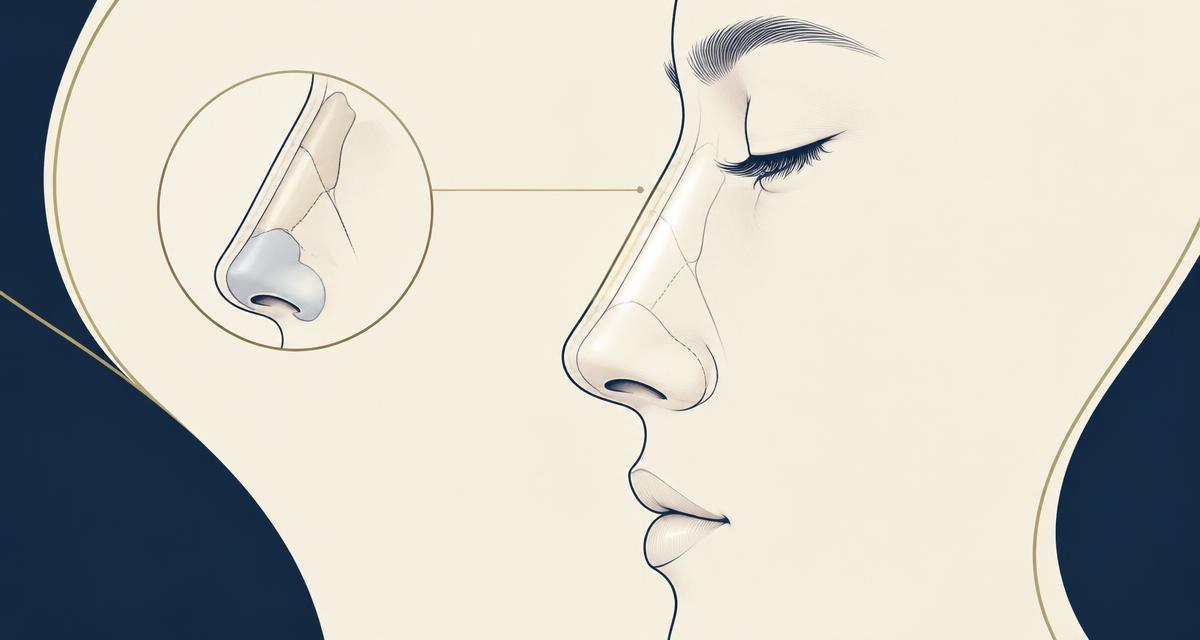
- Dorsal preservation rhinoplasty lowers a nasal hump while keeping the natural bony-cartilaginous dorsum and the keystone area intact, instead of removing the hump and rebuilding the bridge.
- The two main manoeuvres are push-down, generally used for smaller humps, and let-down, generally used for larger humps.
- In the let-down technique, bilateral wedges of bone are removed from the frontal process of the maxilla so that the bony vault can descend onto the maxilla rather than into the nasal cavity.
- Septal work beneath the dorsum, such as a high septal strip or subdorsal resection, is what allows the dorsum to be lowered.
- Not every nose is suitable. Very crooked noses, severe deviations and some revision cases may be better treated with structural techniques.
What is dorsal preservation rhinoplasty?
The nasal dorsum is the bridge of the nose, running from the area between the eyes down to the tip. It is made of bone in its upper part and cartilage in its lower part. Where the two meet lies the keystone area, a strong junction that gives the bridge its continuous, smooth outline.
In conventional hump reduction, often called the Joseph-type or resection approach, the surgeon removes the hump with a rasp or osteotome, together with part of the cartilaginous roof. This opens the top of the nose (an "open roof"), which is then closed by moving the nasal bones inwards with osteotomies. Because the roof of the middle third (the midvault) has been removed, it frequently needs to be reconstructed with cartilage grafts, such as spreader grafts or flaps, to keep the bridge smooth and the internal airway open.
Dorsal preservation rhinoplasty takes a different route. Rather than removing the hump, the surgeon keeps the dorsum, including the keystone area, as one intact unit and lowers it as a whole. As described in the reassessment of the push-down technique by Saban, Daniel and colleagues, the aim is to keep the natural dorsal lines of the patient's own nose and to avoid the need for midvault reconstruction in suitable cases.
How do push-down and let-down differ?
Both manoeuvres free the bony and cartilaginous pyramid from its attachments so that it can be lowered. They differ in how the bony base is handled.
Push-down
In the push-down technique, the mobilised nasal pyramid is impacted downwards. The nasal bones move down and slightly inwards, telescoping into the nasal cavity. It is generally chosen for smaller humps.
Let-down
In the let-down technique, a narrow wedge of bone is removed on each side from the frontal process of the maxilla, the part of the upper jaw that forms the side wall of the nose. This creates space so that the bony vault can descend and rest on the maxilla. It is generally chosen for larger humps. In the series reported by Saban et al., let-down was used when more than about 4 mm of lowering was needed. Montes-Bracchini has also described hump reduction of the nasal profile using the let-down technique.
Why is let-down considered more airway-friendly?
With push-down, the nasal bones are pushed into the nasal cavity, which may reduce the space available for breathing in some patients. With let-down, the bone that would otherwise be displaced inwards is removed as wedges, and the vault settles onto the maxilla instead. For this reason the let-down manoeuvre is considered more airway-friendly than push-down, particularly when a larger amount of lowering is planned. Friedman, Lopez Ulloa and Kern discuss both manoeuvres within their endonasal Cottle-based approach to preservation rhinoplasty.
What role does septal surgery play?
The dorsum cannot come down unless something beneath it is removed. The septum, the central wall dividing the nose, supports the dorsum from below. In preservation rhinoplasty, a strip of septal cartilage is removed under the dorsum so that it can descend. Two common options are:
- High septal strip: a strip is removed just below the dorsum.
- Subdorsal (low) septal resection: a strip is removed lower down in the septum, and the remaining septum is repositioned and fixed.
The choice depends on the shape of the septum, the size of the hump and whether the nose is straight. This septal step is also an opportunity to address a deviated septum where appropriate.
How do piezoelectric instruments help?
Piezoelectric instruments use ultrasonic vibration to cut bone. They allow precise, controlled osteotomies and are designed to spare soft tissue. In dorsal preservation, where the bone cuts and wedge resections need to be accurate, piezoelectric instruments can make the osteotomies more precise. Like any instrument, their value depends on the surgeon's planning and experience.
Who is a candidate for let-down rhinoplasty?
Suitability is decided only after a full examination of the nose, both inside and outside, and a discussion of the patient's goals. In general, a good candidate may:
- have a dorsal hump with a reasonably straight nose;
- wish to keep a natural-looking bridge rather than a sculpted, scooped profile;
- have a hump large enough that lowering by let-down is preferable to push-down;
- have healthy nasal tissues and realistic expectations.
Other techniques may be preferable for very crooked noses, severe septal deviations, some revision cases where the original anatomy has been changed, and noses that need significant reshaping of the bridge rather than lowering. In these situations structural rhinoplasty, which rebuilds the framework with grafts, may be the better choice. Prof. Dr. Karaaltın also performs Smart Template Rhinoplasty and other techniques, and selects the approach for each nose individually.
What are the risks and limitations?
Every rhinoplasty carries general surgical risks, including bleeding, infection, swelling, bruising, reactions to anaesthesia and dissatisfaction with the appearance. Points specific to dorsal preservation include:
- Hump recurrence: a residual or recurrent hump can appear as healing progresses, and a secondary procedure may sometimes be needed.
- Selection matters: not every nose is suitable, and using a preservation technique in the wrong nose may give an unsatisfactory result.
- Learning curve: the technique requires specific training and experience. The article "Incorporating Dorsal Preservation Rhinoplasty into Your Practice" discusses how surgeons introduce it into their practice.
- Breathing: although let-down is considered airway-friendly, any nasal surgery can affect breathing, and this should be assessed before and after surgery.
Healing after rhinoplasty takes time, and the final shape becomes clearer over many months. Results vary between individuals and cannot be guaranteed.
Frequently asked questions
Is let-down rhinoplasty the same as preservation rhinoplasty?
Let-down is one of the manoeuvres used within dorsal preservation rhinoplasty. Push-down is the other main manoeuvre. The surgeon chooses between them according to the size of the hump and the anatomy.
Will my nose look "operated"?
The aim of preserving the dorsum is to keep the patient's own natural bridge lines. However, the final appearance depends on individual anatomy, skin and healing, so no particular outcome can be promised.
Can the septum be corrected at the same time?
Septal surgery is part of the technique, as a strip of septum is removed to lower the dorsum. A deviated septum can often be addressed during the same operation, depending on the findings.
Is it suitable for revision rhinoplasty?
Some revision cases may be suitable, but many need structural techniques because the original dorsum has already been altered. This is decided after examination.
Book a consultation
If you are considering rhinoplasty and would like to know whether a dorsal preservation approach could suit your nose, you can book a consultation with Prof. Dr. Mehmet Veli Karaaltın. The assessment includes an examination of the nasal airway and a discussion of the options that suit your anatomy.
References
- Saban Y, Daniel RK, Polselli R, Trapasso M, Palhazi P. Dorsal Preservation: The Push Down Technique Reassessed. Aesthet Surg J. 2018;38(2):117–131.
- Friedman O, Lopez Ulloa F, Kern EB. Preservation Rhinoplasty: The Endonasal Cottle Push-Down/Let-Down Approach. Facial Plast Surg Clin North Am. 2021. doi:10.1016/j.fsc.2020.08.006
- Montes-Bracchini JJ. Nasal Profile Hump Reduction Using the Let-Down Technique. Facial Plast Surg. 2019. doi:10.1055/s-0039-1695751
- Incorporating Dorsal Preservation Rhinoplasty into Your Practice. Facial Plast Surg Clin North Am. 2021;29(1):101–111. doi:10.1016/j.fsc.2020.09.001
Considering this procedure?
Book a private consultation with Prof. Dr. Mehmet Veli Karaaltın for a personalised surgical plan.
Speak to the clinic
Patients travel from the UK, Ireland and the United States for treatment in Istanbul. Video consultations are held before you book any travel.
Teşvikiye, Sakayık Sk. No:47
34365 Şişli / Istanbul, Turkey