Key points
- The navel (umbilicus) has a strong influence on the overall appearance after a tummy tuck. An unattractive navel can spoil an otherwise good result.
- The literature generally favours a smaller, vertically oriented navel with a natural upper hood.
- Common problems after navel reconstruction include narrowing (stenosis), a round "button" appearance, a visible scar ring and loss of depth.
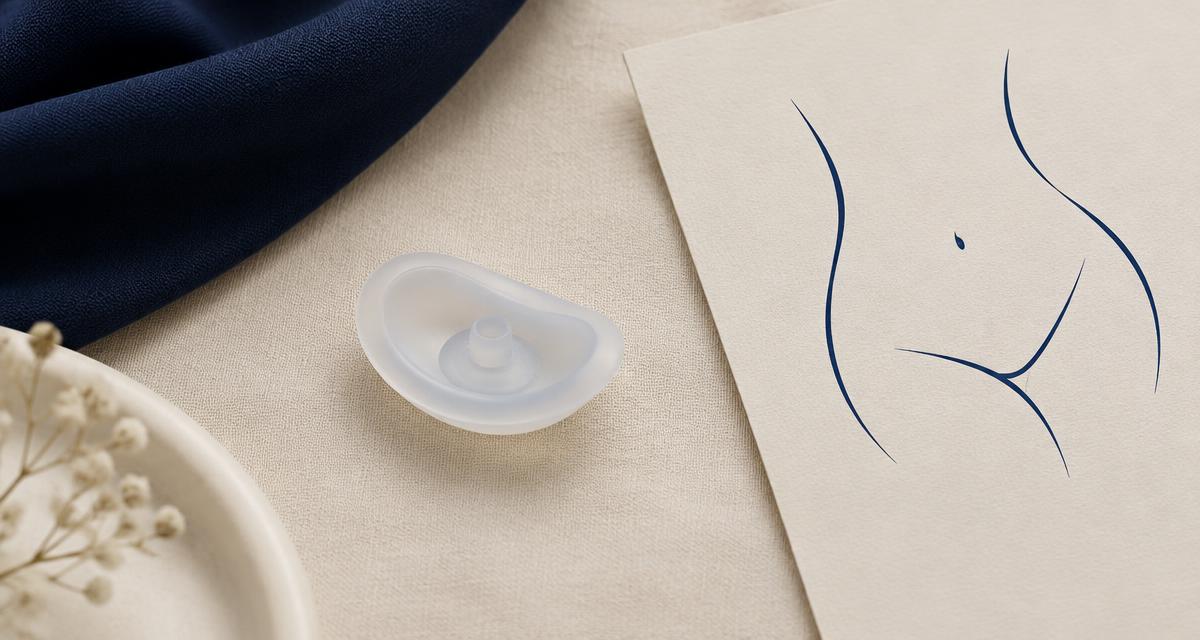
- A postoperative silicone navel mold is a soft, medical-grade insert that supports the shape and depth of the new navel while the scar matures.
- High-level clinical evidence specifically for navel molds is limited. They support good surgical technique; they do not replace it.
Why does the belly button matter in a tummy tuck?
In a full tummy tuck (abdominoplasty), the abdominal skin is tightened and redraped. The navel stays attached to its stalk on the abdominal wall, and a new opening is created for it in the redraped skin. This step is called umbilicoplasty, or neo-umbilicoplasty when the navel is reconstructed.
The navel is a small detail, but it sits in the centre of the abdomen and draws the eye. A navel that looks unnatural, too large, too round or scarred can spoil an otherwise good abdominal contour. For this reason, the size, shape and position of the navel receive particular attention in abdominoplasty planning.
What does a natural-looking navel look like?
Studies of navel shape and size, including the review in Eplasty on determining the optimal umbilical size during abdominoplasty, generally favour a smaller, vertically oriented navel with a natural superior hood, a slight overhang of skin at the top that creates shadow and depth. Graham and Livingston studied the surface anatomy of the ideal male navel and introduced the SHAPE classification, and work on the H-Wing neoumbilicoplasty has discussed differences in umbilical zones by gender. Ideals therefore vary between individuals and between men and women.
What problems can occur after navel reconstruction?
- Stenosis (narrowing): as the scar matures, it can contract and narrow the opening.
- A round "button" look: the navel may look circular and artificial rather than naturally vertical.
- Visible scar ring: the scar around the navel may be noticeable.
- Flattening or loss of depth: the navel may become shallow and lose its natural shadow.
Many of these problems relate to how scars behave during healing. This is where postoperative support can play a role.
What is a silicone belly button mold?
A postoperative silicone umbilical mold, also called a navel splint or conformer, is a soft insert made of medical-grade silicone. It is placed into the new navel after surgery and is shaped to resemble a natural navel. Its intended purposes are to:
- support shape and depth while the scar matures;
- counteract scar contracture, which can otherwise narrow the navel;
- apply gentle, constant pressure to the healing scar.
Silicone and pressure are both established ways of improving scar quality in general scar management. The mold applies these principles to the specific shape of the navel.
How is the mold used?
The following points are general guidance only. Always follow the instructions given by your own surgeon, as the timing and duration depend on your surgery and healing.
- When it starts: the mold is usually introduced at a stage of healing chosen by the surgeon, often once the wound is suitable.
- How long it is worn: the duration is set by the surgeon according to how the scar is maturing.
- Hygiene: keep the navel and the mold clean. The mold is usually removed for gentle cleaning with mild soap and water, rinsed, dried and replaced as instructed.
- Comfort: the mold should sit gently. It should not cause sharp pain.
When should you contact the clinic?
Contact the clinic promptly if you notice increasing redness, swelling, warmth, discharge, an unpleasant smell, bleeding, increasing pain, fever, or if the mold becomes difficult to remove or replace.
Who is a candidate for a navel mold?
A mold may be recommended after abdominoplasty or umbilicoplasty, particularly when the surgeon considers that the new navel would benefit from support during scar maturation. It is also sometimes used after a mummy makeover that includes a tummy tuck. Whether it is suitable for you, and for how long, is decided individually.
What are the risks and limitations?
- Limited evidence: high-level clinical evidence specifically for umbilical molds is limited. Their use is based on established principles of scar management and clinical experience.
- An adjunct, not a substitute: the most important factors are good umbilicoplasty technique, including correct navel position, appropriate flap design and secure fixation. A mold cannot correct a poorly positioned or poorly designed navel.
- Local irritation: pressure or poor hygiene can cause skin irritation or infection, which is why cleaning and follow-up matter.
- Variable healing: scars mature differently in each person, and no particular navel shape can be guaranteed.
Frequently asked questions
Does everyone need a navel mold after a tummy tuck?
No. Whether a mold is recommended depends on the surgical technique, how the navel is healing and your surgeon's judgement.
Can I remove the mold myself?
Usually the mold is removed for cleaning and then replaced, but you should follow the specific instructions you are given.
Will a mold prevent all navel scarring?
No. It is intended to support shape and depth while the scar matures, but it cannot prevent scarring or guarantee a particular appearance.
Can a mold fix an existing unsatisfactory navel?
A mold supports healing after surgery. An established unsatisfactory navel may need assessment for surgical revision.
Book a consultation
If you are considering a tummy tuck and would like to discuss navel design and aftercare, you can book a consultation with Prof. Dr. Mehmet Veli Karaaltın. You may also wish to read about the reverse tummy tuck for upper abdominal concerns.
References
- Does Size Really Matter? A Review on How to Determine the Optimal Umbilical Size During an Abdominoplasty. Eplasty. 2023.
- Graham KA, Livingston RJ. Ideal Male Umbilicus: An Observational Study of Surface Anatomy and Introduction to the SHAPE Classification. Aesthetic Plast Surg. 2022. doi:10.1007/s00266-022-02798-7
- H-Wing Neoumbilicoplasty: A New Technique for Advanced Abdominoplasty and Umbilical Zones by Gender. Plast Reconstr Surg. 2023;151:52.
Considering this procedure?
Book a private consultation with Prof. Dr. Mehmet Veli Karaaltın for a personalised surgical plan.
Speak to the clinic
Patients travel from the UK, Ireland and the United States for treatment in Istanbul. Video consultations are held before you book any travel.
Teşvikiye, Sakayık Sk. No:47
34365 Şişli / Istanbul, Turkey